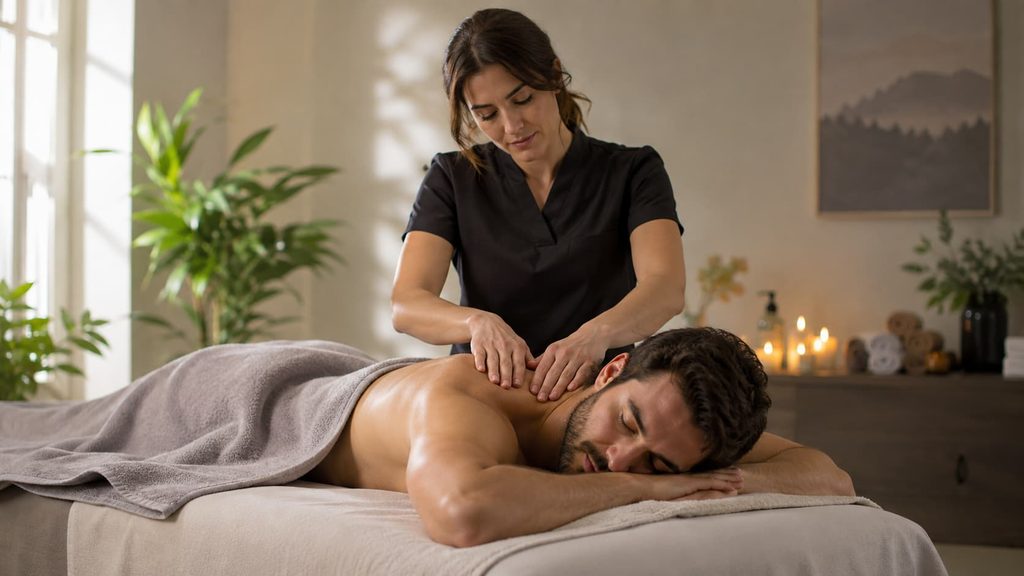
Recovery asks a lot from your mind. The therapy sessions, the self-reflection, the daily effort of choosing differently. But addiction doesn’t just live in your head. It lives in your body too.
Chronic substance use changes your nervous system. It disrupts sleep, raises baseline cortisol, creates persistent muscle tension, and rewires how your body processes stress. Most traditional recovery programs focus on the psychological side, and for good reason. But a growing number of clinicians and researchers are recognizing that the physical side of recovery deserves attention as well.
That’s where massage therapy and bodywork come in.
The Body Keeps the Score (Literally)
If you’ve been through addiction, your body has been through it with you. Prolonged substance use puts your nervous system in a state of chronic hyperarousal. Your fight-or-flight response fires too easily. Your muscles hold tension you might not even notice anymore.
This isn’t just discomfort. It’s a relapse risk.
When your body is stuck in a stress loop, the urge to reach for something that provides immediate relief becomes much harder to resist. Physical therapies like massage work directly on this problem. They engage the parasympathetic nervous system, the part responsible for rest, digestion, and calm. Instead of thinking your way to relaxation, your body gets there through touch and movement.
What the Research Actually Shows
The evidence for massage therapy in recovery settings has been building steadily.
A widely cited study by Tiffany Field and colleagues at the Touch Research Institute found that massage therapy reduced cortisol levels by an average of 31%. Cortisol is your primary stress hormone, and elevated cortisol is consistently linked to higher relapse rates.
Beyond cortisol, research published in the International Journal of Neuroscience found that massage increases serotonin and dopamine production. These are the same neurotransmitters that addiction disrupts. For someone in early recovery whose brain chemistry is still recalibrating, that’s not trivial.
Other documented benefits include:
- Improved sleep quality. Insomnia is one of the most common complaints in early recovery. Massage has been shown to increase delta wave activity, the brain waves associated with deep sleep.
- Reduced anxiety. Multiple studies show post-massage anxiety scores drop significantly, even after a single session.
- Pain management. Many people in recovery also deal with chronic pain, which was sometimes the gateway to substance use in the first place. Massage offers a non-pharmaceutical approach to managing it.
The Substance Abuse and Mental Health Services Administration (SAMHSA) has recognized the role of complementary therapies, including massage, as part of a holistic approach to recovery.
Types of Bodywork Used in Recovery Settings
Not all physical therapy looks the same in a recovery context. Here are some of the approaches practitioners use.
Therapeutic Massage
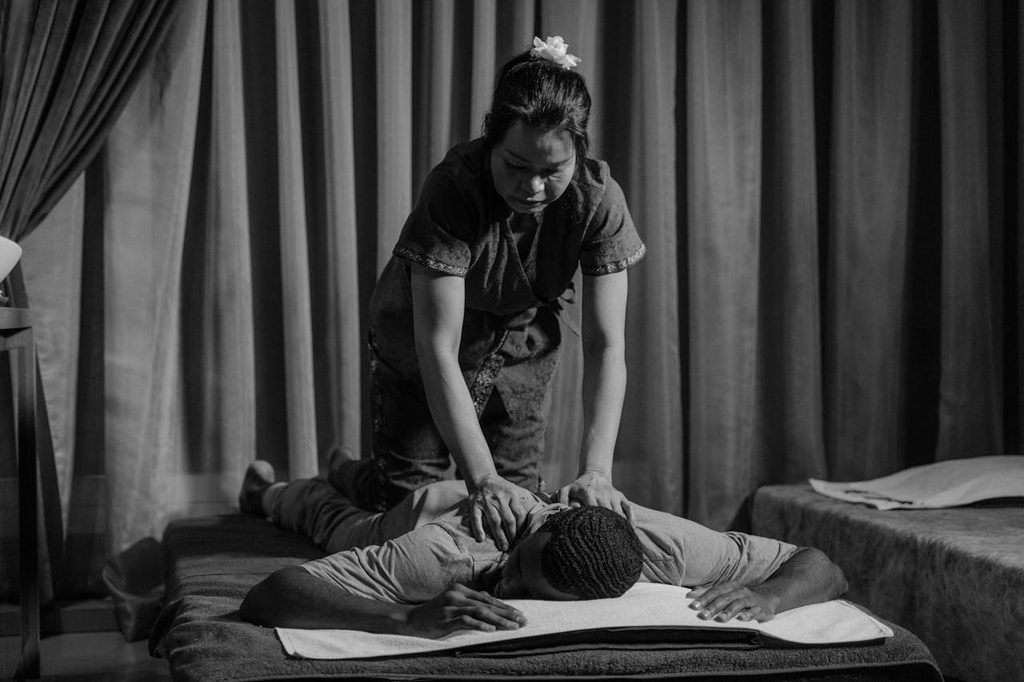
The most common form. A trained massage therapist works on muscle tension, circulation, and nervous system regulation. Sessions typically run 60 to 90 minutes. For recovery patients, lighter pressure and a trauma-informed approach are usually recommended initially.
Acupuncture (NADA Protocol)
The National Acupuncture Detoxification Association (NADA) protocol uses five specific ear points to help with withdrawal symptoms, cravings, and anxiety. It’s used in over 1,000 addiction treatment programs worldwide. Some patients find it more approachable than full-body massage, especially early in recovery when touch sensitivity is high.
Craniosacral Therapy
A gentle, hands-on technique that focuses on the membranes and fluid surrounding the brain and spinal cord. It’s particularly popular in trauma-informed recovery programs because the touch is extremely light and non-invasive.
Physiotherapy
For people in recovery who also deal with injuries or chronic pain conditions, physiotherapy provides structured rehabilitation. Treatment approaches vary by modality, and clinics increasingly use purpose-built electric massage tables to ensure patients are properly supported during sessions.
What to Look for in a Practitioner
If you’re considering adding bodywork to your recovery plan, choosing the right practitioner matters more than you might think.
Trauma-informed training. Not every massage therapist understands the complexities of working with someone in recovery. Look for practitioners who have specific training in trauma-informed care. They’ll know how to check in with you during sessions, offer choices about pressure and positioning, and create an environment where you feel safe.
Proper credentials. Depending on your state, massage therapists should be licensed (LMT) and ideally hold additional certifications in clinical or medical massage. For acupuncture, look for a Licensed Acupuncturist (L.Ac.) with NADA training.
The clinical environment. This one often gets overlooked, but it matters. A well-equipped treatment space signals professionalism and supports proper therapeutic technique. The quality of clinical furniture, from the treatment table to the positioning accessories, affects both patient comfort and practitioner ergonomics. Established manufacturers build equipment specifically for clinical use, with features like adjustable height and modality-specific designs that help therapists work more effectively. For a recovery patient who may already feel vulnerable, a professional and comfortable setting makes a real difference.
Communication style. You should feel comfortable saying “stop” or “lighter” at any point. A good practitioner will encourage this, not just tolerate it.
Practical Considerations
How Often?
Research suggests that weekly sessions during the first few months of recovery provide the most consistent benefit. Some treatment centers incorporate massage into their standard programs twice a week. As recovery stabilizes, many people shift to biweekly or monthly maintenance sessions.
Cost
Massage therapy typically runs $60 to $120 per session in the US. Some insurance plans cover it with a referral, particularly if it’s framed as part of a treatment plan for anxiety or chronic pain. Community acupuncture clinics often offer the NADA protocol on a sliding scale.
Combining With Talk Therapy
Bodywork isn’t a replacement for counseling, group therapy, or medication-assisted treatment. It works best as a complement. Many people find that a massage session before their therapy appointment helps them arrive more grounded and open. Others schedule it after, as a way to process what came up.
Talk to your primary therapist or counselor about integrating bodywork. They can help coordinate timing and flag any physical health considerations.
Frequently Asked Questions
Is massage therapy safe during early recovery?
Generally, yes, but it’s important to work with a trauma-informed practitioner. Some people in very early recovery may be physically sensitive or emotionally reactive to touch. A trained therapist will start gently and adjust based on your comfort level.
Can massage help with withdrawal symptoms?
There’s evidence that both massage and acupuncture can reduce the intensity of certain withdrawal symptoms, including anxiety, insomnia, and muscle aches. They don’t replace medical detox supervision, but they can provide meaningful relief alongside it.
What if I’m uncomfortable being touched?
That’s completely normal, especially in early recovery. Let your therapist know. Many practitioners offer options like working through clothing, focusing only on hands and feet, or starting with craniosacral therapy (which involves very minimal pressure). You’re always in control of the session.
Does insurance cover massage for addiction recovery?
Coverage varies widely. Some plans cover massage therapy when prescribed by a physician as part of a treatment plan. Check with your insurance provider and ask specifically about coverage for complementary or integrative therapies.
How do I find a trauma-informed massage therapist?
Start with the American Massage Therapy Association (AMTA) directory or ask your primary recovery counselor for a referral. Many addiction treatment centers have partnerships with local bodywork practitioners who specialize in working with recovery patients.
Recovery Is More Than What Happens in Your Head
Addiction affects your whole body. It makes sense that recovery should too.
Massage therapy, acupuncture, physiotherapy, and other forms of bodywork aren’t fringe additions to a recovery plan. They’re evidence-supported tools that address the physical side of a problem that’s too often treated as purely psychological.
You don’t have to overhaul your recovery program overnight. Even one session can give you a sense of what physical therapy might add. Talk to your counselor, find a qualified practitioner, and give your body the same attention you’re already giving your mind. If you’re considering professional support as part of your recovery, explore affordable addiction therapy options and pricing plans to find an approach that fits your needs and budget.
Author’s Byline: Lori Wade is a journalist and content writer with experience working with small publications. She covers healthcare and wellness, focusing on patient care, preventive health, and treatment approaches. You can connect with her on LinkedIn.