Addiction comes in many different shapes and sizes, and one of those forms is an addiction to gambling. Individuals who are addicted to gambling find it hard to control the urge to place bets, regardless of the risk involved. Often, an addiction to gambling sees people constantly chasing their losses, meaning the more you lose, the more you gamble. Even when an addict wins, it’s likely that their first thought is to gamble any winnings in the hope of winning more. This creates a vicious cycle, which often leads to feelings of shame and secrecy.
In this article, we’ll uncover strategies that will help you stop gambling for good.
Understand Why You Gamble in the First Place
Emotional reasons
Many people turn to gambling as a way to escape something else that is going on in their lives. Ask yourself if this could be the issue. Are you stressed from work? Feeling lonely after a breakup? Or suffering from depression due to something else? If the answer to any of these questions is yes, then you may have found your reason for gambling, which is a great starting point.
It could also be that you are seeking the excitement from gambling. If this is the case, then you need to try to find this excitement in another area of your life. Consider your hobbies and passions, as this is often where you’ll find excitement outside of gambling.
Psychological triggers
As already mentioned, it’s common for gambling addicts to chase their losses. This could be your motivation for compulsive gambling, and it’s a motivation that can quickly snowball out of control. If you do find your gambling addiction snowballing, realising this and accepting this is the first step towards stopping gambling for good.
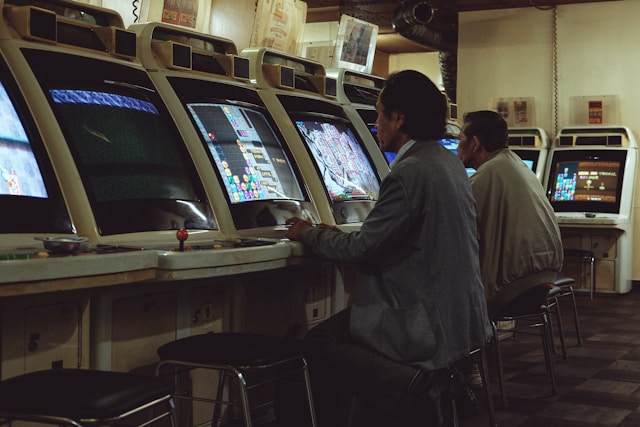
Another big psychological trigger is social pressure. Do you find yourself gambling because your friends do? Or worse, do you find that your friends are actively encouraging you to gamble? This is common, and it does highlight that stopping gambling could require you to reconsider your social circle.
Environmental triggers
Do you find that your gambling activity is triggered by certain factors? Common triggers include seeing the bright lights of a casino, a TV/online advertisement, or simply being paid at the end of the month. If you find yourself unable to resist the urge to gamble after coming into contact with one of these triggers, then it’s likely you have a gambling addiction.
Why this step matters
Regardless of why you gamble, it’s important to understand why you do. The first step in breaking a habit is understanding it, and this allows you to look at your addiction from a different angle. For example, you may realise that your relationship with a certain individual is the main issue, and your gambling addiction is merely a byproduct.
Recognize the Warning Signs of a Gambling Problem
Behavioral signs
The most common behavioral sign that signals a gambling problem is lying. If you find yourself lying about your whereabouts or how much money you’ve lost, it’s probable that you are trying to cover up feelings of shame as a result of your gambling addiction.
Emotional signs
Listening to your body is great advice at the best of times, but if you’re trying to stop gambling forever, then this still applies. The most common emotions that addicts may experience include anxiety, guilt, and depression. If these emotions become more frequent as your gambling does, it’s time to listen to your body.
Financial red flags
It goes without saying that one of the biggest impacts of a gambling addiction is the financial implications. If you find yourself in a hole in terms of finances, but you still can’t resist the urge to gamble, then this sounds very much like a gambling addiction. Financial red flags include things like constant borrowing, maxing out credit cards and selling belongings to fund your gambling habits.
The cycle of addiction
While every addict has a different story, the cycle of a gambling addiction looks almost identical for all. It usually follows a pattern that involves feeling excited from winning before continuing to gamble until losses are accrued. At this point, an addict will look to chase their losses, leading to even bigger losses before experiencing feelings of shame or embarrassment. This cycle is then repeated over and over.
Break the Gambling Cycle with Practical Daily Strategies
Cut off access to gambling
The first step is to remove access to gambling. As the industry has moved online, this step has become slightly easier. Remove apps from your phone or install blocking software if you do most of your gambling online. If you gamble in a physical location, you could consider asking someone else to manage your finances so you physically don’t have the cash to gamble.
Remove triggers and temptation
If you are incapable of visiting a casino or betting shop without gambling more than you can afford to, try to avoid these locations at all costs. Reject any trips to the casino with friends, and try to avoid going past these places when going about your day.
Replace gambling with healthier habits
If your gambling addiction is driven by excitement and thrill seeking, consider replacing gambling with healthier alternatives that still deliver excitement. This could be as simple as working out or as extreme as jumping out of an aeroplane. Try to combine this tactic with wellness activities such as journaling and meditating to keep your emotions under control.
Build an accountability system
Don’t be afraid to seek the assistance of a partner. A partner can be responsible for checking in with you daily and also give you someone with whom you can share your wins; this allows you to celebrate milestones and receive positive feedback on your journey.
Use a structured plan
It suits some people to position their journey as a challenge. For example, challenge yourself to go 30 days without gambling. Introduce rewards for small wins too to keep you motivated and help you realise your progress.
Treat Gambling Addiction Like a Health Issue

It’s important to view gambling addiction as a health issue, not a willpower issue. Just like any other health issue, it’s important to explore the different solutions that are available.
Evidence-based treatments
When it comes to therapy, you have various options. CBT, or Cognitive Behavioral Therapy, is one of the most common forms used to tackle gambling addiction. This form of therapy involves talking through your issues with a therapist to find the link between your thoughts and actions. Other similar treatments include motivational interviewing, which is designed to strengthen motivation towards quitting, and group therapy, which sees individuals tackle their addiction issues as part of a small group.
Medication options
On the other hand, you have the option of turning to medication to help you on your journey. As mentioned, it’s common for gambling issues to come with feelings of depression. While it’s common for addicts to turn to things like smoking and Nicopods, it’s better to turn to more long-term solutions like antidepressants or mood stablizers.
The Next Steps
Repair the Financial Damage: Recouping financial losses is a long road, but it’s important to stop the bleeding immediately. Set spending limits and freeze accounts, or, as mentioned earlier, have someone else manage your money.

Build a Support System That Actually Helps You Quit: One of the best things you can do is surround yourself with close friends who have your best interests at heart. If you don’t have this luxury, research online support groups or meetups in your local area.
Prepare for Cravings and High-Risk Moments: The urge to gamble won’t disappear immediately, nor will the temptations, so prepare yourself. Have a coping mechanism in preparation, which could be as simple as a text to a friend or taking a walk.
Rebuild Life Without Gambling: One of the most effective ways to ensure that you stop gambling for good is to replace gambling with something else. Find new ways to replace the buzz of gambling through sports, hobbies, and creative projects.
When Relapse Happens: You’ll need to accept that there is a high chance of relapsing. But as the old saying goes, it’s not how many times you get knocked down that counts, it’s how many times you get up. Make sure you have a plan for dealing with a relapse, which could include therapy.
Final Thoughts
If you’re reading this as someone who is currently suffering from gambling addiction, it’s important to understand that recovery is always possible, regardless of how far along the road you have travelled. When trying to stop gambling for life, the most critical thing to do is to take that first step, no matter how small that step may appear. Hopefully, this article leaves you feeling a little clearer about what that first step looks like, but don’t hesitate to contact us if you require some more bespoke guidance.