When you stop drinking, it’s not just alcohol you remove.
It’s the ritual.
The evening wind-down.
The glass in your hand.
The subtle shift from tension to numbness.
And when that disappears, something feels exposed.
That’s why one of the most common questions in early sobriety is:
What do I drink instead of alcohol in recovery — that actually helps?
Not just something sweet.
Not just something to distract you.
But something that supports your nervous system, reduces cravings, and doesn’t become a new unhealthy coping pattern.
Let’s break this down in a practical, recovery-supportive way.
Why Replacing Alcohol With the Right Drinks Matters
Alcohol isn’t just a beverage — it’s a neurological shortcut.
It temporarily:
- Spikes dopamine
- Lowers inhibition
- Sedates the nervous system
- Blunts stress
When you remove it, your brain doesn’t instantly rebalance. It still expects that relief.
Healthy substitutes help by:
- Replacing the ritual (holding, sipping, winding down)
- Supporting hydration and nutrient repair
- Reducing blood sugar crashes
- Creating a new, stabilizing routine
The goal isn’t to “trick” yourself.
The goal is to support healing while your brain recalibrates.
Sparkling & Ritual-Based Alternatives
These help replace the sensory pattern of drinking — carbonation, flavor, and the act of opening something cold.
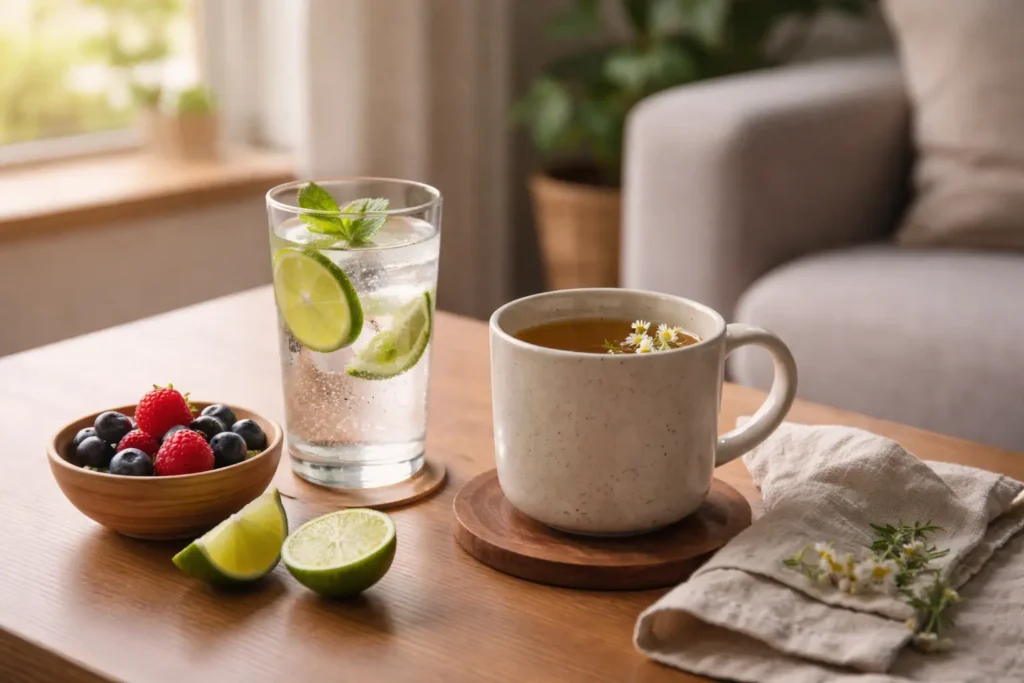
1. Sparkling Water With Citrus
Add lime, lemon, or orange slices for sharpness.
Why it works:
- Carbonation mimics alcohol’s bite
- Keeps your hands occupied socially
- Hydrates without triggering blood sugar spikes
This is one of the simplest, most sustainable replacements.
2. Flavored Seltzers (Low Sugar)
Choose varieties without added sugar or artificial sweeteners if possible.
Benefits:
- Variety reduces boredom
- Easy swap in social settings
- No stimulant or sedative effects
3. Alcohol-Free Beer or Wine (Use With Caution)
For some people, these:
- Reduce cravings
- Make social settings easier
For others, they:
- Trigger stronger alcohol desire
- Reinforce old behavioral loops
Monitor your response honestly. If it increases mental bargaining, it’s not helping.
4. Kombucha (Low-Alcohol Versions)
Most contain trace alcohol (under 0.5%).
Some people tolerate it well. Others find it triggering.
If your recovery is early or fragile, you may want to skip it.
Relaxation-Focused Drinks for Evening Cravings
Evenings are peak vulnerability. That’s when stress accumulates and your brain expects sedation.
Instead of sedation, you want regulation.
1. Chamomile Tea
Gently sedating. Supports relaxation and sleep.
Especially helpful if alcohol disrupted your sleep cycle.
2. Lavender Tea
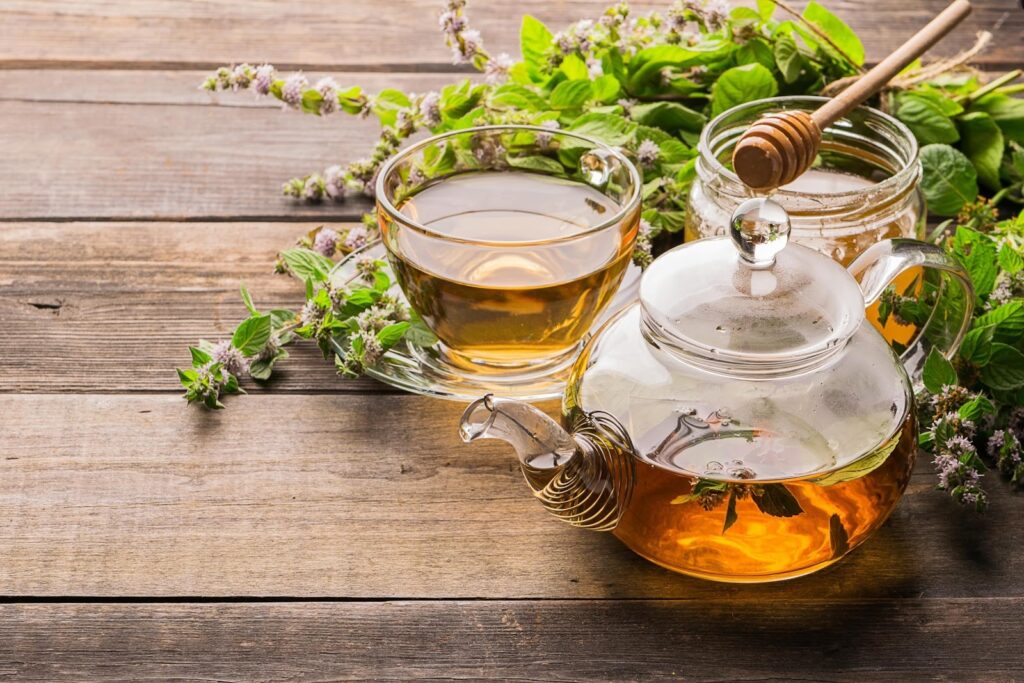
Calms the nervous system and reduces tension.
Works well paired with a consistent bedtime routine.
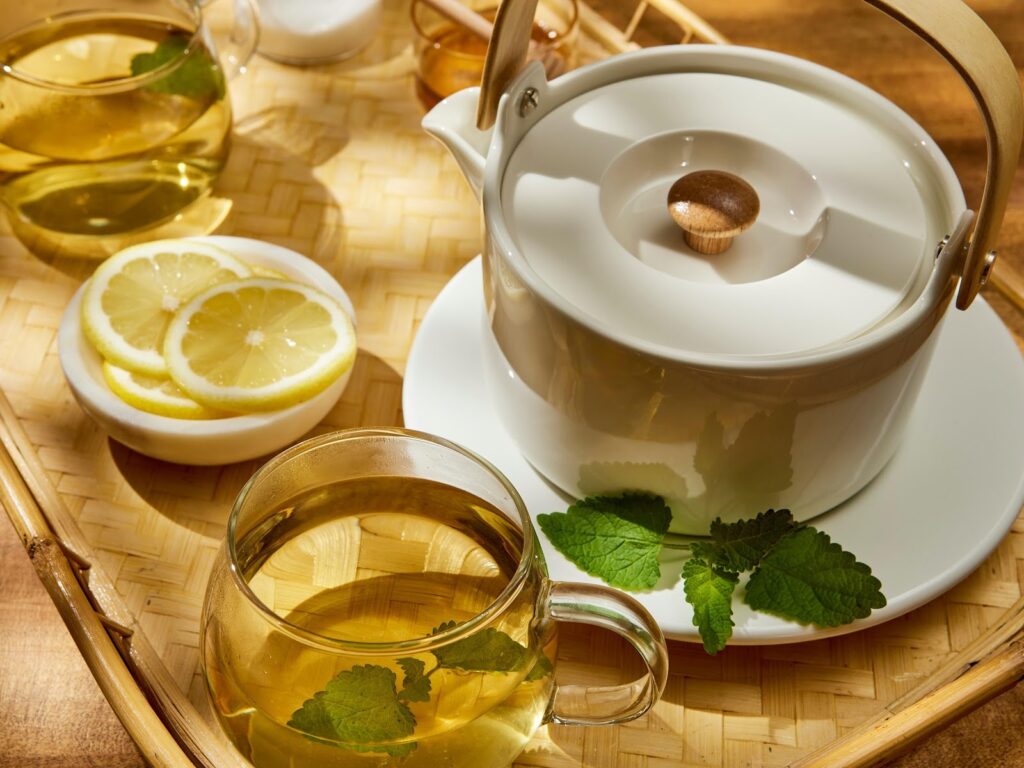
3. Lemon Balm Tea
Often used for anxiety-related restlessness.
Helps soften the “edgy” feeling that can show up in early sobriety.
4. Peppermint Tea
Supports digestion — useful if alcohol affected your gut health.
Also soothing as a nightly ritual.
You Don’t Have to Figure This Out Alone
If you’re recognizing yourself in the evening restlessness, the anxiety spikes, the mental bargaining — it may be a sign you need more than substitutes.
Structured support can help you address what’s driving the cravings beneath the surface.
If you’d like guidance tailored to your situation, our alcohol addiction counselling services offer a calm, practical path forward.
Learn more about alcohol addiction counselling at Fixing You Now.
Dopamine-Supporting Alternatives (Healthy Stimulation)
Early recovery can feel emotionally flat. That’s normal. Your dopamine system is recalibrating.
You don’t want artificial spikes. You want steady support.
1. Matcha (Morning Use)
Provides a gentle caffeine release with L-theanine, which softens anxiety.
Better than energy drinks, which can overstimulate.
2. Quality Coffee (Earlier in the Day)
Used moderately, it can:
- Improve focus
- Support productivity
- Counter early recovery fatigue
Avoid using it late afternoon or evening.
3. Protein Smoothies
Blood sugar crashes often mimic alcohol cravings.
Include:
- Protein
- Healthy fats
- Fiber
Stable blood sugar = fewer impulsive urges.
4. Dark Hot Chocolate (Low Sugar)
Unsweetened cocoa contains magnesium and mood-supportive compounds.
Can replace the psychological “nightcap” ritual without sedation.
Functional Drinks That Support Physical Recovery
Alcohol depletes nutrients and impacts hydration. Repairing the body helps stabilize mood.
1. Electrolyte Drinks (Low Sugar)
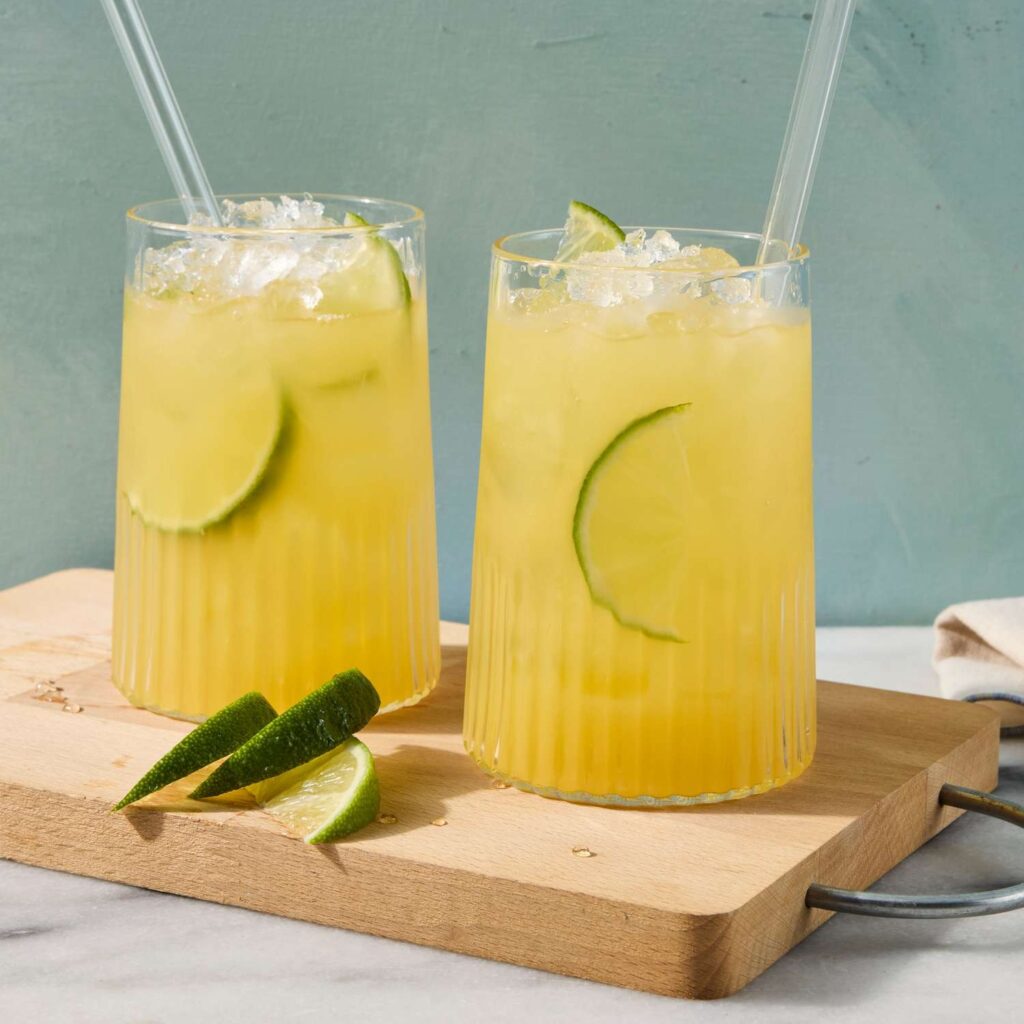
Restore hydration and support nerve function.
Choose clean formulations without excessive sugar.
2. Coconut Water
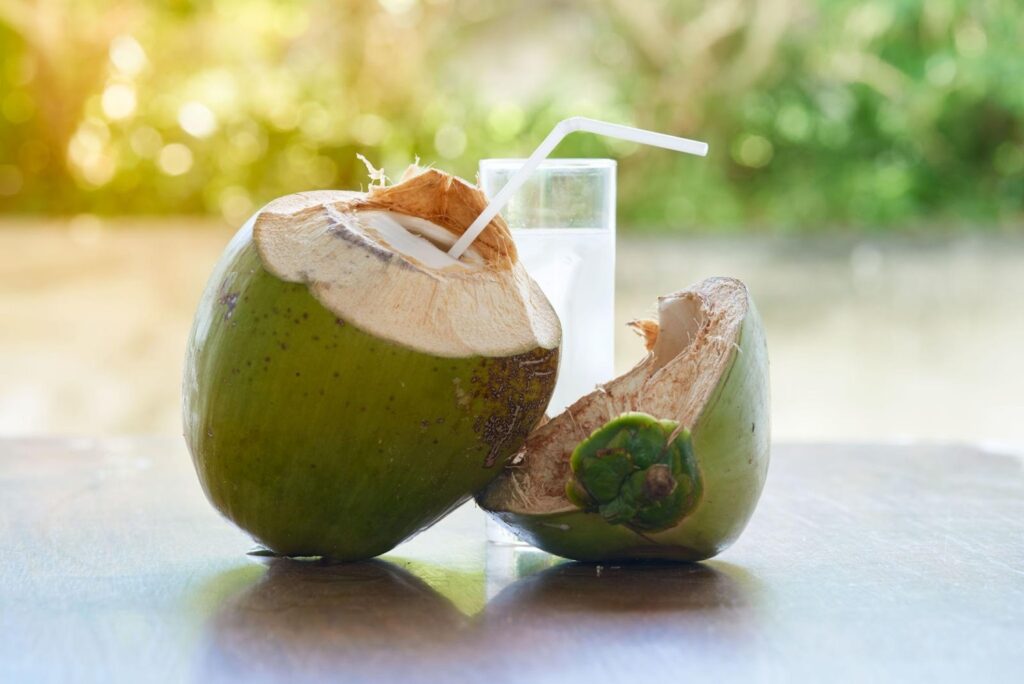
Natural electrolytes and potassium support recovery.
Moderate use is best due to natural sugars.
3. Green Smoothies
Leafy greens provide magnesium, which can reduce anxiety and muscle tension.
Supports both gut health and nervous system stability.
4. Ginger-Lemon-Honey Drink
Soothes digestion, reduces inflammation, and supports immune function.
Helpful during early detox or stress phases.
Social Situation Substitutes
Social pressure can trigger relapse risk.
Having something intentional in your hand reduces awkwardness.
1. Sparkling Water in a Cocktail Glass
Psychologically powerful. You feel included without explaining yourself.
2. Simple Mocktails (Non-Alcohol Replicas)
Use fruit, herbs, and sparkling water.
Avoid trying to replicate alcohol flavor exactly if that triggers you.
3. Ordering First at Restaurants
Reduces pressure and avoids spontaneous decisions.
Planning protects recovery.
What to Be Careful Of
Not all substitutes are supportive.
Avoid:
- High-sugar drinks that spike cravings
- Energy drinks replacing one dependency with another
- Non-alcoholic drinks that intensify desire for alcohol
- Using drinks to suppress emotions rather than process them
Ask yourself:
Am I soothing — or escaping?
That distinction matters.
It’s Not Just About the Drink
Alcohol regulated your nervous system artificially.
When you remove it, your system feels exposed.
Drinks can help with ritual and hydration.
But deeper cravings often relate to:
- Stress
- Loneliness
- Trauma
- Emotional overload
Healing means learning regulation — not just replacement.
Final Thoughts: Replace the Ritual, Rebuild the Regulation
If you’re asking what to drink instead of alcohol in recovery, you’re already moving in the right direction.
Small, steady changes matter.
But if cravings still feel intense… if evenings feel heavy… if you’re worried about slipping back…
Support can make the difference between surviving and stabilizing.
Ready for Support That Goes Beyond Substitutes?
Changing what’s in your glass is a meaningful first step.
At Fixing You Now, our alcohol addiction counselling services focus on:
- Understanding the root of your drinking patterns
- Reducing cravings at the nervous system level
- Building emotional regulation skills
- Creating a sustainable recovery plan
You don’t have to manage this alone.
Start Your Recovery With Professional Alcohol Addiction Counselling Today