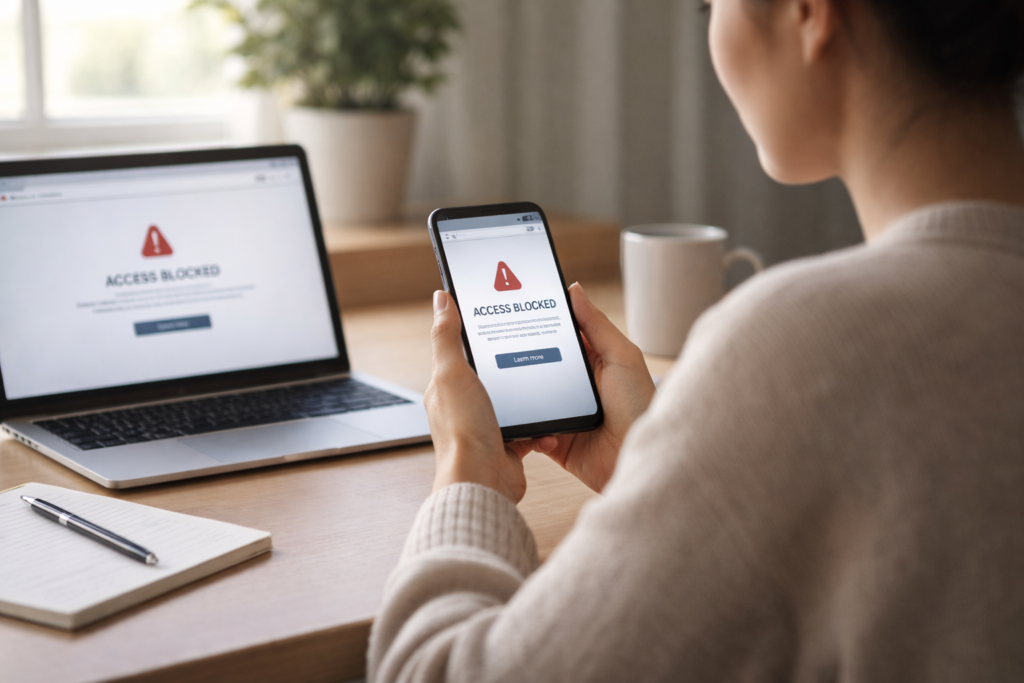
Gambling addiction thrives on access.
If you can open an app in 3 seconds or visit a betting site late at night, relapse becomes easier. That’s why one of the first practical recovery steps is blocking gambling websites and apps completely.
The good news? You absolutely can.
This guide walks you through the most effective ways to block gambling access on your phone, computer, and even through your bank.
1. Use Gambling Blocking Software (Most Effective Option)
Specialized blocking software is designed specifically to prevent access to gambling platforms.
BetBlocker (Free)
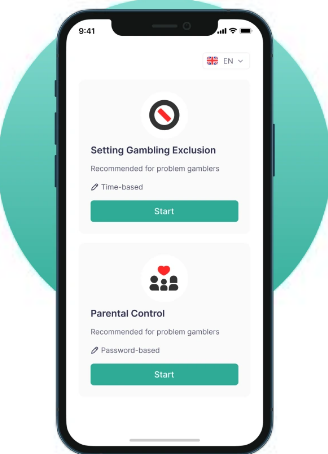
- Free to use
- Blocks thousands of gambling sites
- Can’t easily be removed during the blocking period
- Works on Windows, Mac, Android, and iOS
Best for: Anyone who wants a strong barrier without paying.
Gamban (Paid)
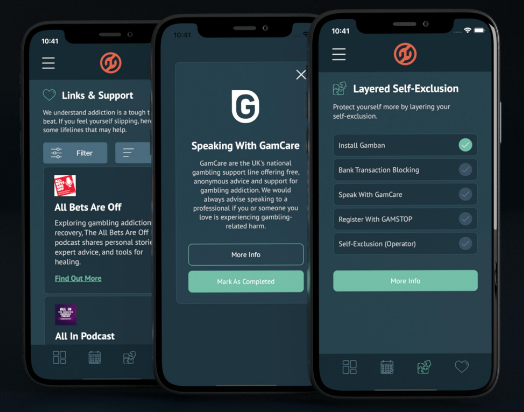
- Blocks gambling apps and websites
- Very difficult to bypass
- Works across multiple devices
Best for: People who need stricter enforcement.
Freedom
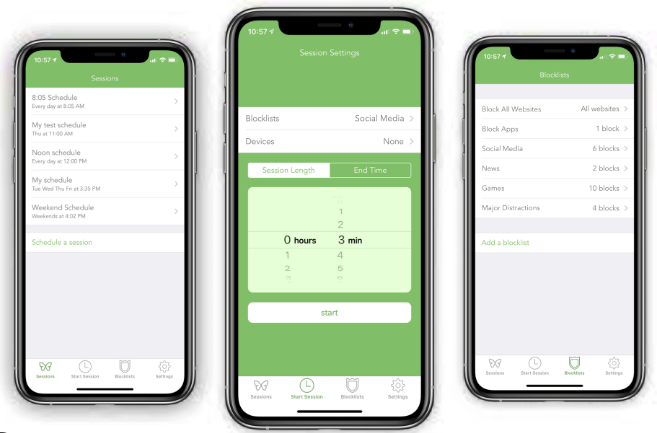
- Blocks specific apps or websites
- Useful if only certain platforms are triggers
Best for: Targeted blocking rather than full gambling restriction.
2. Activate Self-Exclusion Programs
Self-exclusion blocks you at the account level across licensed gambling platforms.
For example:
- In the UK: GAMSTOP
- Many U.S. states have official self-exclusion registries
This prevents you from opening new accounts or using existing ones for a set period (6 months to 5 years).
Best for: Long-term commitment to recovery.
3. Block Gambling on Your Phone (Free Methods)
On iPhone:
- Go to Settings → Screen Time
- Enable Content & Privacy Restrictions
- Limit adult websites or manually block gambling URLs
On Android:
- Use Digital Wellbeing
- Or parental controls like Google Family Link
These aren’t perfect — but they create friction during urges.
4. Block Gambling Transactions Through Your Bank
Many banks now offer gambling transaction blocks.
This prevents:
- Card deposits
- Betting transfers
- Online gambling payments
The powerful part? Many blocks cannot be instantly reversed — which helps during emotional triggers.
If software blocks access and your bank blocks payments, relapse becomes significantly harder.
5. Combine Blocking With Support
Blocking access is powerful — but gambling addiction is emotional, not just technical.
Consider combining tech barriers with:
- Counseling
- An accountability partner
- Support groups like Gamblers Anonymous
Because recovery isn’t just about removing access — it’s about rebuilding control.
Final Thought
If you’re asking how to block gambling websites, that’s already a strong first step.
You don’t need perfect willpower.
You need fewer opportunities to act on impulses.
And you can absolutely create those barriers starting today.
You Don’t Have to Fight This Alone
Blocking gambling websites is a powerful first step. But if urges, relapses, or guilt keep coming back, deeper support may be what you need.
Our gambling addiction counseling services provide structured, confidential support to help you understand triggers, rebuild control, and create a long-term recovery plan.